Summary:
Capture The Flag (CTF) competitions are a cornerstone of modern cybersecurity training. They combine education and competition through realistic hacking scenarios, helping participants develop critical technical, analytical, and teamwork skills. Beyond individual learning, CTFs are a powerful tool for companies seeking to strengthen their cybersecurity culture, identify skilled professionals, and assess team readiness in real attack and defense simulations. Whether for talent development or corporate training, CTFs turn cybersecurity learning into an engaging, measurable experience.
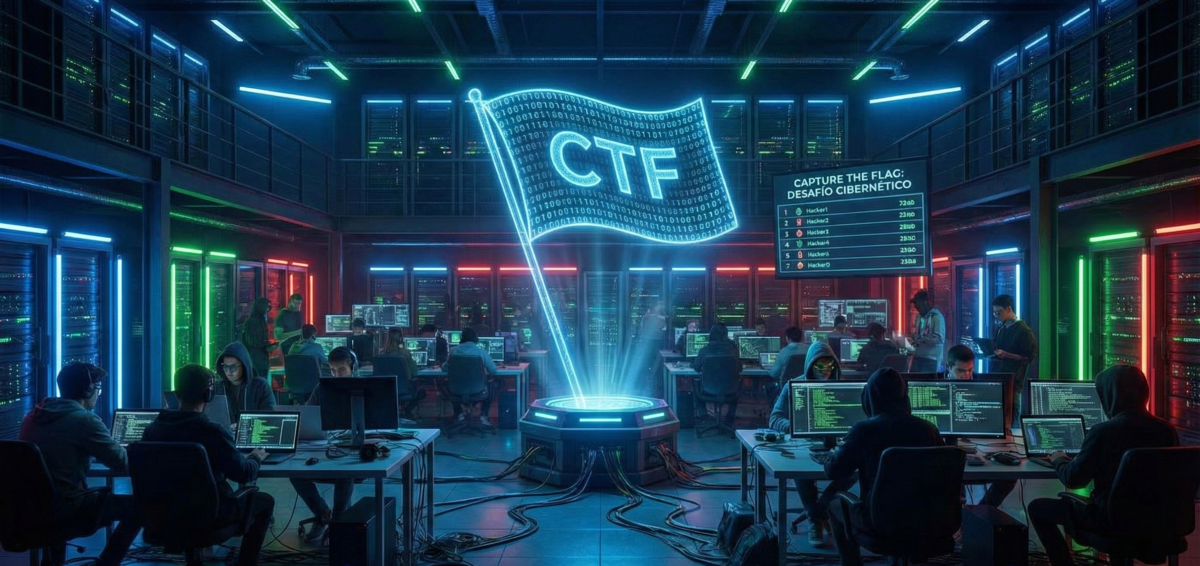
Capture The Flag (CTF) competitions are a staple in the cybersecurity community. They serve as both an educational tool and a competitive platform. CTFs simulate real-world hacking scenarios, allowing participants to test and improve their skills in a controlled environment.
CTFs are typically divided into two main categories:
1. Jeopardy-style and Attack-Defense. Jeopardy-style CTFs consist of a series of tasks or challenges in various categories such as cryptography, reverse engineering, web exploitation, forensics, among others. Each challenge is worth a certain number of points, and teams or individuals compete to solve them in the shortest time possible.
2. Attack-Defense CTFs, on the other hand, involve teams defending their own servers while attempting to attack others'. This format closely mimics real-world cybersecurity operations.
A typical Jeopardy-style CTF might include a challenge where participants must decrypt a message using a specific cipher. For example, a challenge might provide a string encrypted with the Caesar cipher and require participants to write a script to decrypt it. In Python, this could be done using a simple loop:
for shift in range(26):
    decrypted = ''.join(chr((ord(char) - shift - 65) % 26 + 65) if char.isupper() else char for char in encrypted_text)
    print(f'Shift {shift}: {decrypted}')
This code snippet demonstrates the iterative process of testing each possible shift value until the correct decryption is found. Such exercises hone problem-solving skills and familiarity with programming languages.
In Attack-Defense CTFs, participants must secure their systems against intrusions while exploiting vulnerabilities in opponents' systems. This requires a deep understanding of network protocols, system administration, and security tools. Tools like Wireshark for packet analysis or Metasploit for penetration testing are commonly used.
CTFs are not only about technical skills. They also emphasize teamwork, communication, and strategic thinking. Teams must coordinate their efforts, share knowledge, and adapt to rapidly changing scenarios. This mirrors the collaborative nature of real-world cybersecurity efforts.
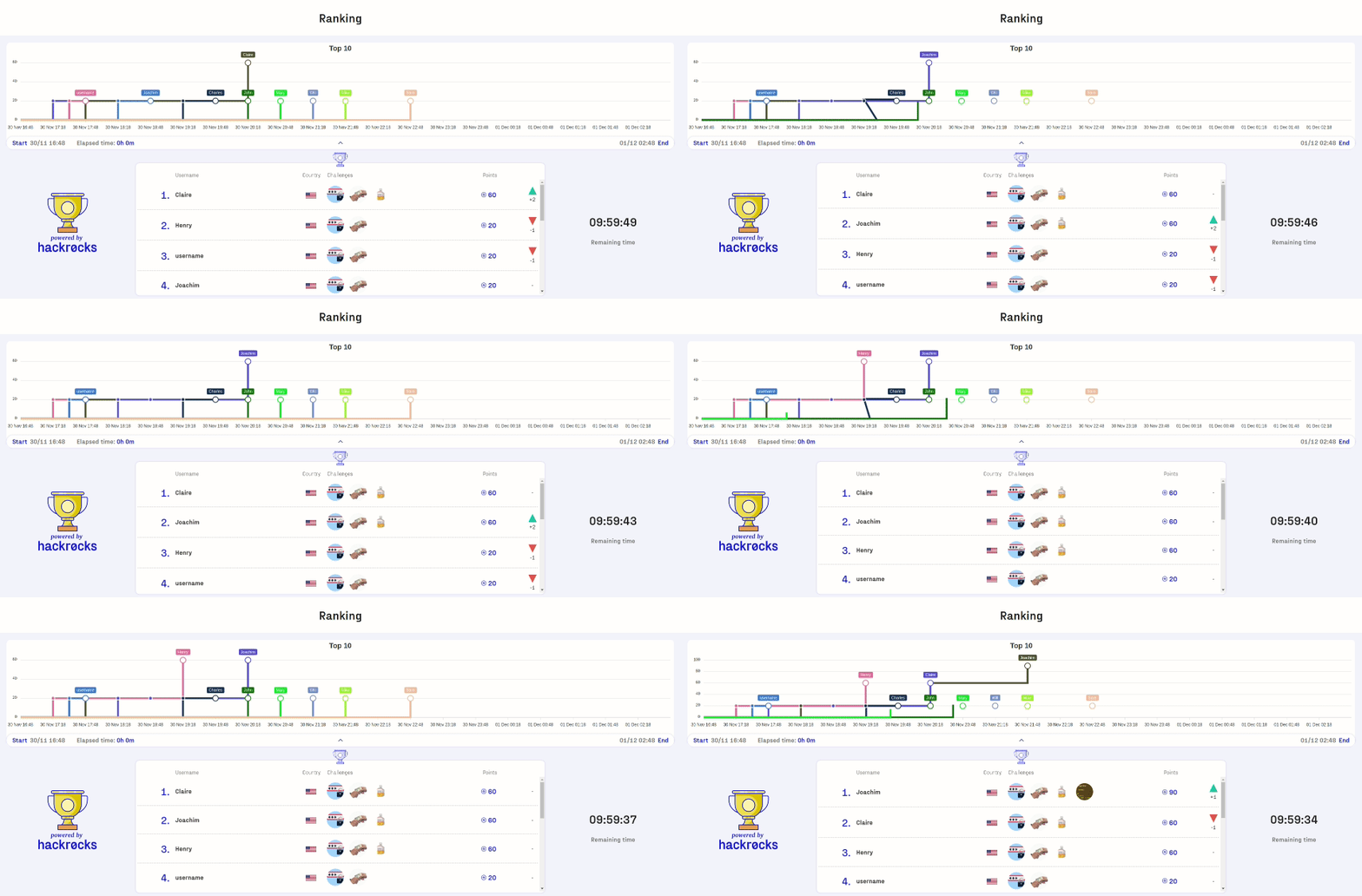
Gamification plays a key role in Capture The Flag competitions. By introducing elements such as points, levels, and rankings, participants experience continuous motivation and a sense of achievement as they progress. Seeing their position on the leaderboard fosters healthy competition and drives teams to push their limits. This dynamic not only makes learning more engaging but also reinforces commitment and collaboration, turning cybersecurity training into a truly immersive experience.
The educational value of CTFs is immense. They provide a hands-on approach to learning that is often more engaging than traditional classroom settings. Participants gain practical experience in identifying and mitigating vulnerabilities, a crucial skill in today's digital landscape.
For those interested in pursuing a career in cybersecurity, participating in CTFs can be a significant advantage. CTFs offer a place to demonstrate skills to potential employers and can be a valuable addition to a resume. Many organizations recognize the value of CTF experience and actively seek candidates who have participated in these competitions.
For companies, organizing internal CTFs is one of the most effective ways to strengthen cybersecurity culture and identify hidden talent within their teams. These simulations help employees experience real attack and defense scenarios in a safe environment, improving their ability to detect, respond to, and mitigate security incidents. Beyond the technical benefits, CTFs foster collaboration between departments, increase awareness of security risks, and encourage continuous learning across the organization.
At hackrocks, we design customized Capture The Flag experiences for companies of all sizes. From awareness programs for non-technical staff to advanced red team simulations for security professionals, our CTFs are adapted to each organization’s maturity level and objectives. If you want to boost your team’s cybersecurity capabilities and turn learning into an engaging, measurable experience, contact us to discover how a tailored CTF can transform the way your company trains and motivates its people.